
Digital SEO Solution: Your Complete Guide to Growth
Highlights
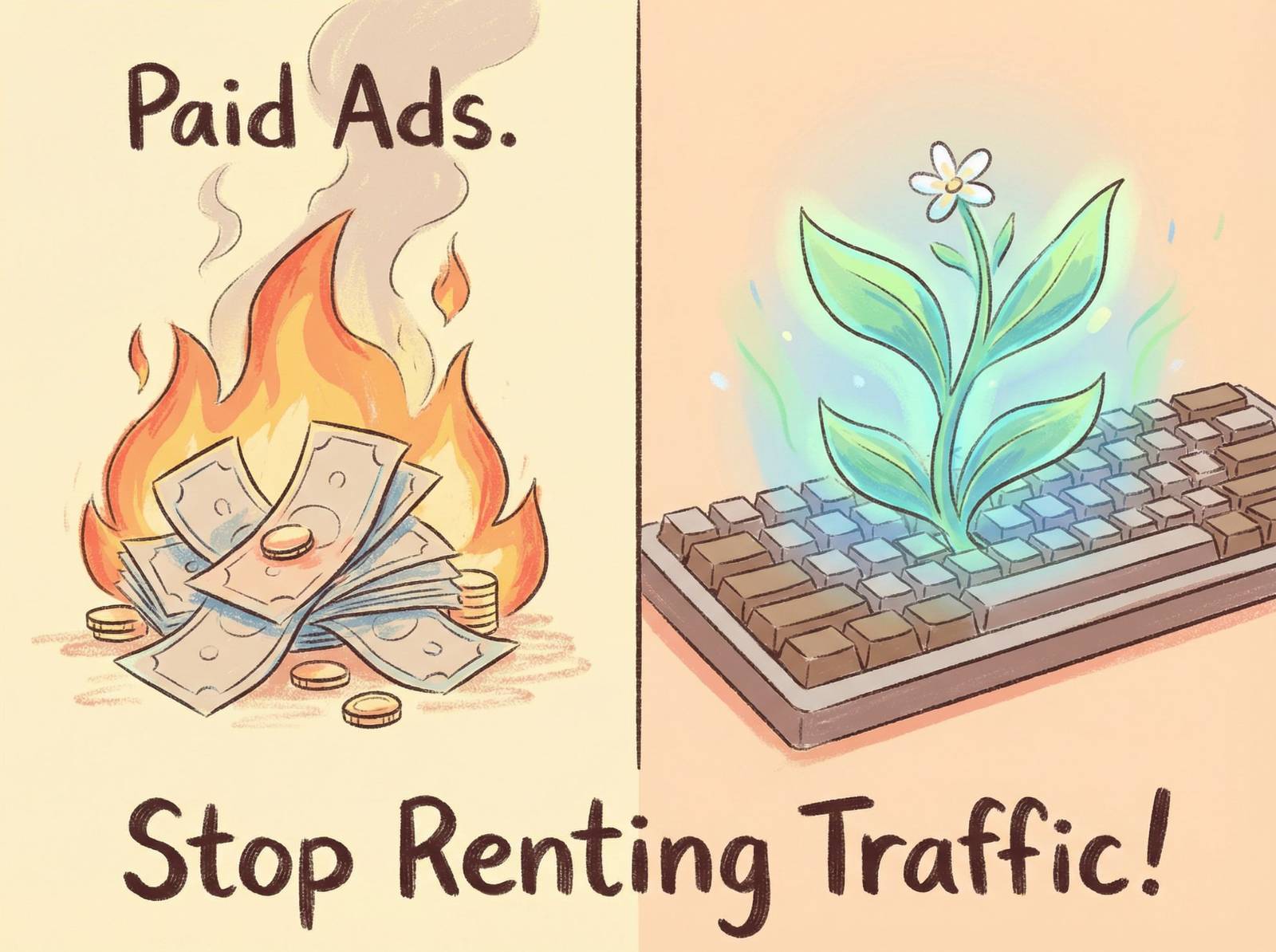
Meet Alex. Alex runs a growing e-commerce store selling ergonomic office furniture. Despite having great products and spending $2,000 a month on social media ads, website traffic flatlines the moment the ad budget runs out.
Alex realizes that renting traffic is a losing game. To build a sustainable business, Alex needs a system that generates visitors while they sleep. This realization is the exact moment a business owner starts searching for a comprehensive digital SEO solution.
If you are trapped in the same cycle of paying for every single website click, you are in the right place. This guide explains how to transition from temporary traffic spikes to permanent, organic growth.
What is a digital SEO solution?
A digital SEO solution is a comprehensive framework that combines technical site improvements, content creation, and off-page tactics to increase a website’s visibility on search engines. It moves beyond simple keyword placement to encompass your entire digital footprint. Think of it as the digital infrastructure of your business.
For Alex, a piecemeal approach—like just writing a few blog posts—failed. A true solution requires a holistic view of how search engines crawl, understand, and rank your website. It aligns your business goals with the exact questions your customers are typing into Google.
How does search engine optimization SEO fit into your marketing strategy?
Search engine optimization SEO acts as the permanent foundation of your overall marketing strategy. While paid ads stop working the second you stop funding them, SEO compounds in value over time. Every optimized page you publish becomes a digital asset.
Consider the cost difference. If Alex pays $2.50 per click on Google Ads, 1,000 visitors cost $2,500. A highly ranked SEO blog post might cost $500 to produce but can bring in 1,000 visitors every single month for years, entirely for free.
Your broader digital marketing efforts rely on this organic base. When your website ranks well organically, your cost-per-acquisition (CPA) drops across the board. You capture users at every stage of the buying journey, from early research to final purchase.
What features define cutting edge SEO services?
Cutting edge SEO services prioritize AI-driven search intent analysis, mobile-first performance, and high-authority digital PR over outdated directory submissions. The industry has shifted heavily toward user experience and authoritative content. If an agency promises you 500 backlinks for $50, they are using obsolete tactics that will penalize your site.
When Alex evaluated potential SEO services, the winning agency focused on three modern pillars:
- Entity-Based SEO: Optimizing for concepts and topics rather than just individual words.
- AI-First Content Optimization: Structuring content to be easily read by generative AI search features (like ChatGPT or Google’s AI Overviews).
- E-E-A-T Focus: Demonstrating Experience, Expertise, Authoritativeness, and Trustworthiness through author bios and expert quotes.
In-House vs. Agency SEO Comparison
| Feature | In-House Team | Agency SEO Services |
| Initial Cost | High (Salaries, Tools, Training) | Medium (Monthly Retainer) |
| Speed to Implement | Slow (Hiring and onboarding takes time) | Fast (Immediate deployment) |
| Expertise Level | Specialized in your specific niche | Broad experience across multiple industries |
| Best For | Enterprise companies with large budgets | Small to mid-sized businesses like Alex’s |
How can design SEO improve user experience?
Design SEO improves user experience by ensuring your website is fast, visually stable, and logically structured for both humans and search engine crawlers. Google heavily weights “Core Web Vitals,” metrics that measure how quickly a page loads and becomes interactive. A beautiful website that takes six seconds to load will lose 53% of its mobile visitors.
Alex’s original website featured massive, uncompressed images of desk chairs. This caused the mobile site to lag, frustrating users and signaling to Google that the page offered a poor experience.
By implementing basic design SEO—compressing images, simplifying the navigation menu, and ensuring buttons were easy to tap on mobile—Alex dropped the site’s bounce rate by 40%. Search engines reward sites that users actually enjoy navigating.
Will social media improve my long term SEO results?
Yes, social media improves long term SEO results by driving brand awareness, which leads to increased branded searches and natural backlinks. While a tweet or an Instagram post does not directly boost your Google ranking, the secondary effects are massive.
When Alex posts a viral video demonstrating how a new ergonomic chair fixes back pain, viewers remember the brand name. Days later, they type “Alex’s Ergonomic Chairs” directly into Google. Search engines see this spike in branded search volume as a massive trust signal.
Furthermore, high-quality social content gets shared. Industry bloggers and journalists might see Alex’s video and link to the product page in their own articles. These organic backlinks are the gold standard for building domain authority.
How to build your own marketing strategy?
To build your own marketing strategy, you must audit your current website, identify high-intent keywords, and consistently publish expert-level content. Action beats perfection. Follow these specific steps to deploy your digital SEO solution today.
Step 1: The Technical Audit
Run your website through a tool like Semrush or Google Search Console. Fix broken links, improve your site speed, and ensure your site is indexing correctly. A leaky bucket cannot hold water, no matter how much traffic you pour into it.
Step 2: Intent-Based Keyword Research
Stop guessing what your customers want. Use keyword research tools to find exactly what your audience is asking. Group these keywords into topic clusters. For example, Alex created a central pillar page about “Office Ergonomics” and linked it to smaller posts like “Best Posture for Typing” and “How High Should My Monitor Be?”.
Step 3: Establish the Publishing Engine
Consistency is the primary driver of SEO success. Commit to publishing at least two high-quality, fully optimized articles per week. Ensure every article front-loads the answer, uses short paragraphs, and includes original data or expert quotes to build immediate trust.
Frequently Asked Questions (FAQs)